Multidisciplinary Design Brand

Project Overview

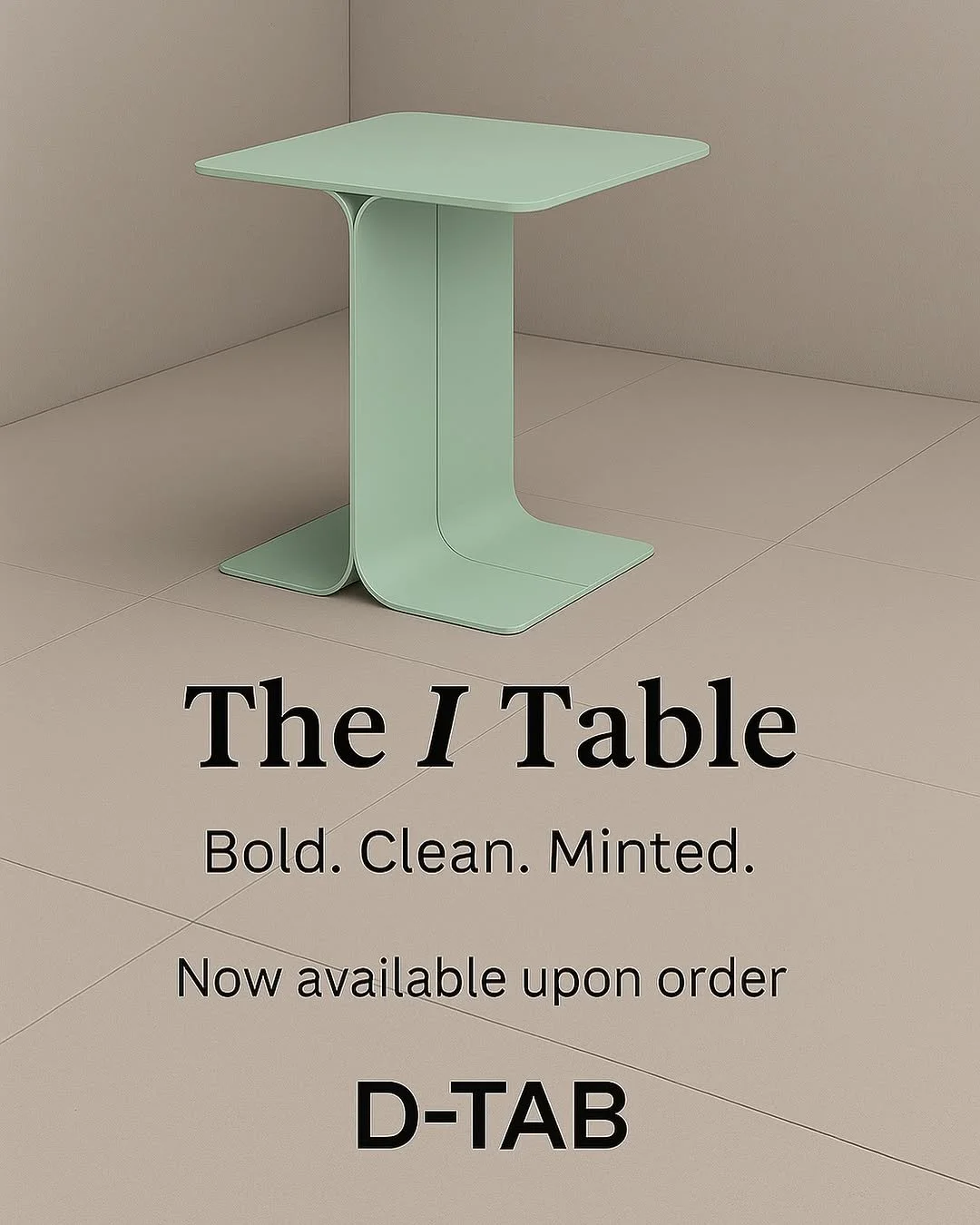
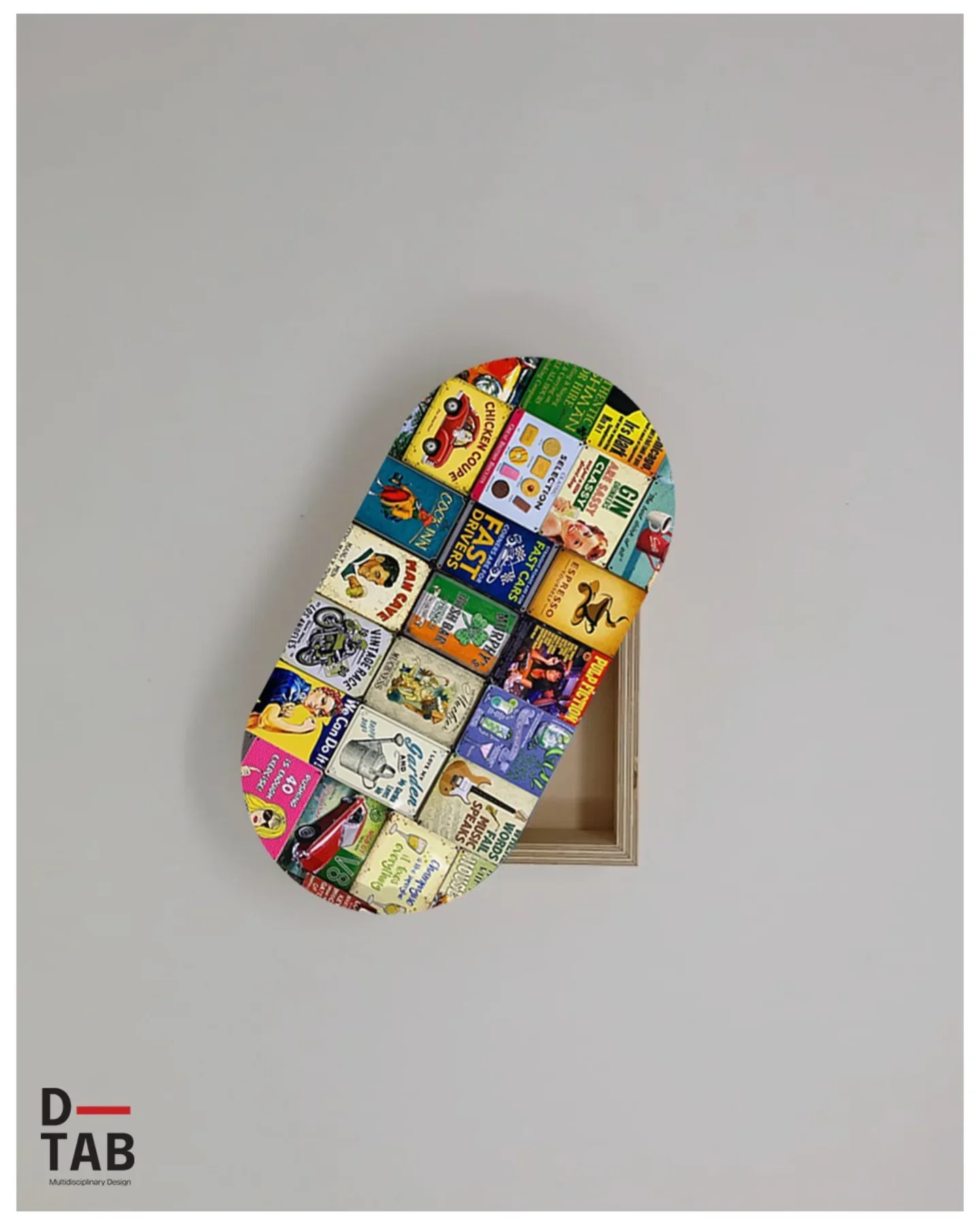
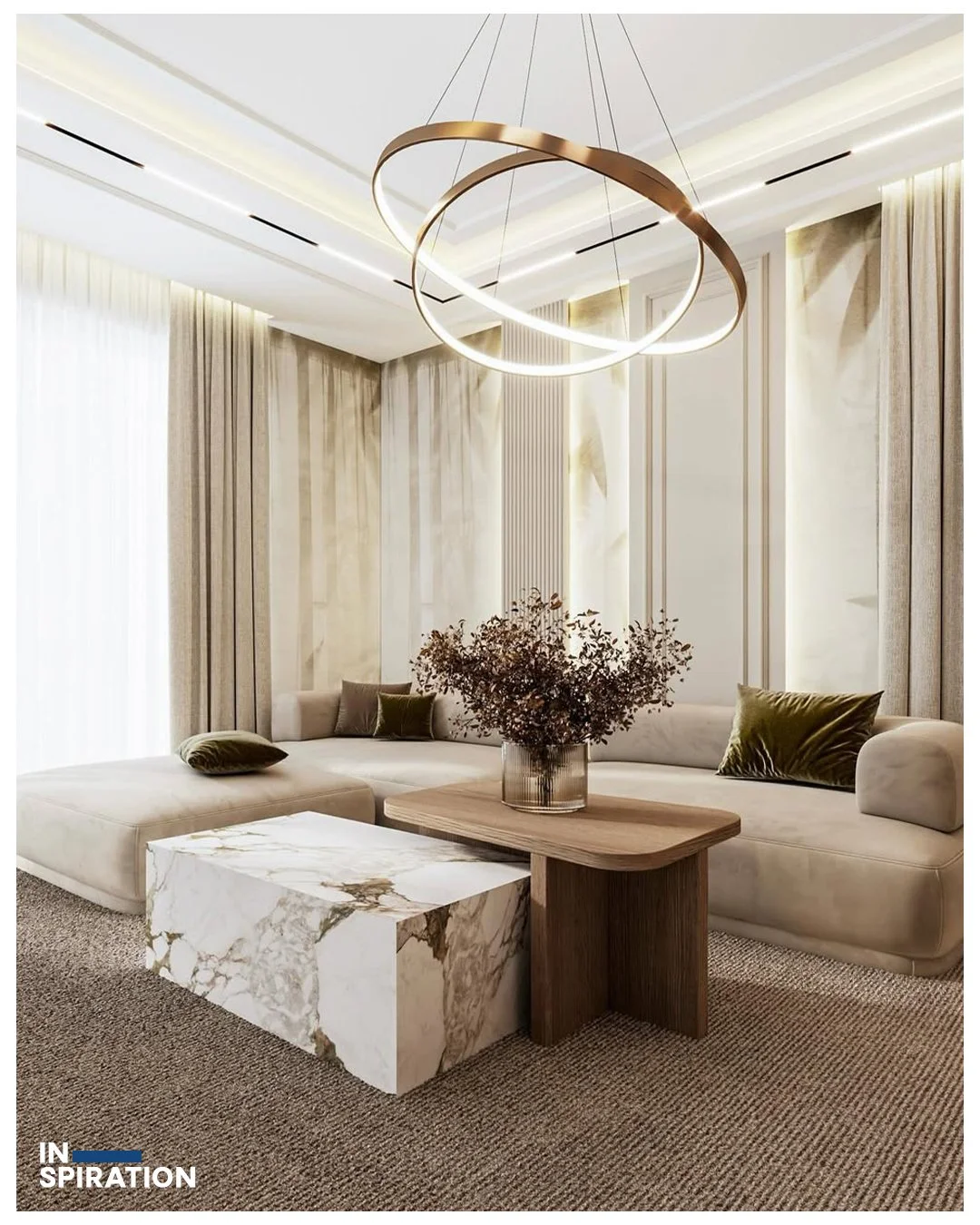
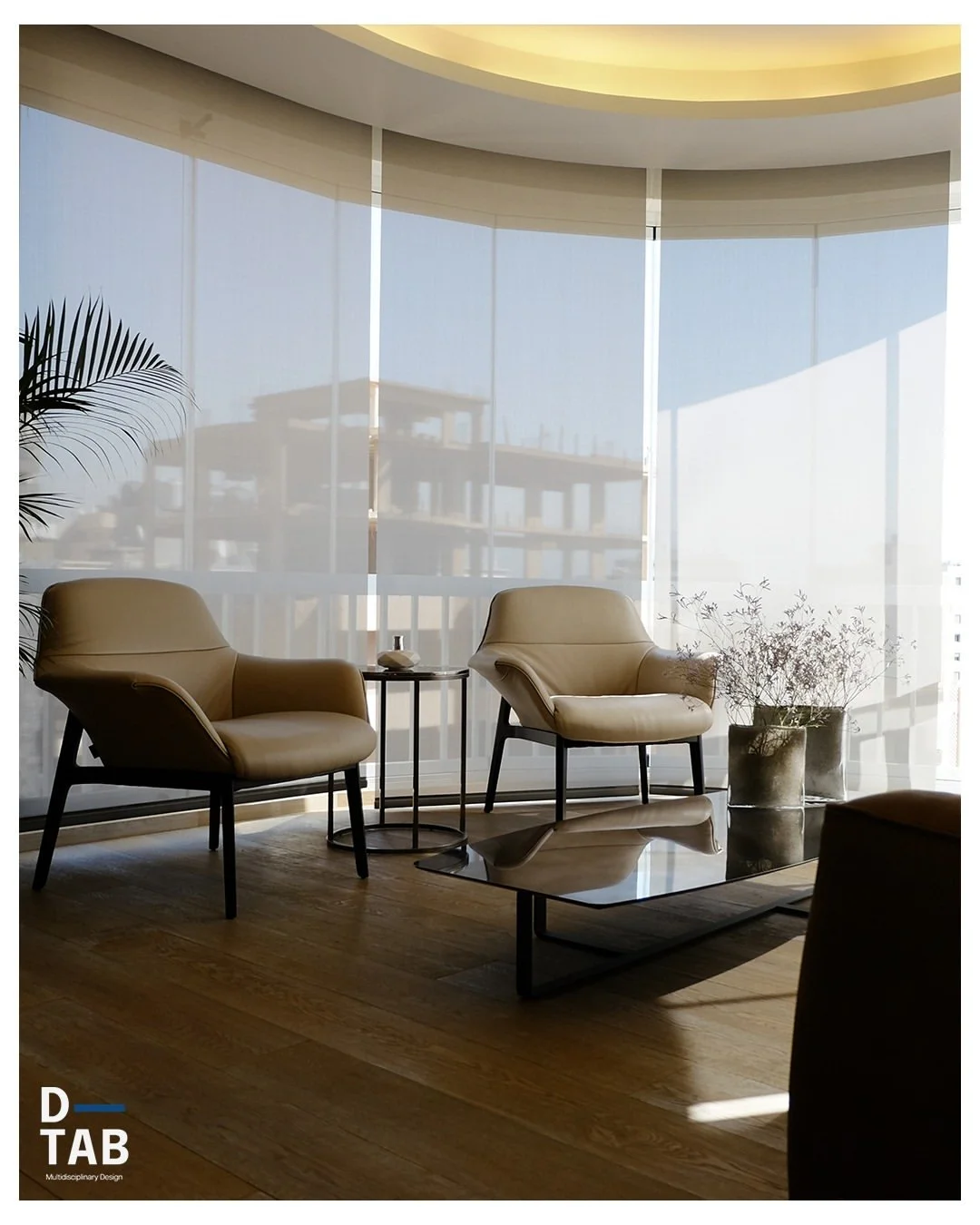
This project involved a decade-old, multidisciplinary design brand based in Lebanon, spanning three connected lines: interior design, high-end product design, and photography. The interior design line was well established. The product design collection was strong, arguably the strongest part of the business, but stayed largely unseen by the market it deserved. The photography line began as the founder's personal creative practice and had grown into an underused asset with real revenue potential.

Despite ten years in operation, physical and online stores, and occasional exhibitions abroad, the business had no clear path from visibility to purchase. The three lines blended into each other with no defined separation, target audiences were misaligned, pricing didn't reflect who was buying, where, or what materials were used, and the underlying infrastructure and technology weren't built to support growth. The business wasn't making money on sales, and in some cases was losing on them.

The opportunity was to give each line a clear identity, unify them under one coherent brand, and build the systems needed to turn a strong portfolio into consistent, profitable sales.

Client Background

Business Stage: Established (10+ years), with physical and online stores and periodic exhibitions abroad

Region: Lebanon

Goals and Vision:

  • Short term: Correct pricing, diversify revenue streams, build a working funnel, and start selling at a profit

  • Long term: Become the go-to name for high-quality, meaningful design, both in interiors and in product design, while establishing the founder's photography as a monetized, complementary line under the same brand

Challenges:

  • Three brand lines blurred together with no clear separation or identity

  • Audience targeting misaligned across all three lines

  • Infrastructure and technology not built to support the business

  • No funnel: browsers had no clear path to becoming buyers

  • Revenue thinking was narrow, tied to whatever inventory happened to be on hand

  • Photography/product business breaking even at best, losing money on sales at worst

Our Role in the Project

Tawlé was brought in to solve a marketing problem that turned out to be a structural one. The work centered on marketing, with operations addressed where it directly blocked the marketing plan from working.

  • Marketing: Rebuilt brand architecture across all three lines, giving each a distinct identity while unifying them under one clear umbrella. Redesigned pricing into tiers based on buyer type, purchase location, and materials used. Diversified revenue streams beyond the existing inventory. Built a sales funnel and a content calendar. Positioned the founder's photography as a monetizable line that extends the brand to new audiences.

  • Operations: Addressed the infrastructure and technology gaps that were preventing the marketing plan from functioning.

Deliverables included a full audit report, a brand architecture framework, a tiered pricing model, funnel design, a content calendar, and a granular, execution-ready marketing plan built for the client's team to implement directly.

  • Audit: Reviewed every part of the business — sales numbers, follower counts, online presence, in-store experience, digital presence, and the customer experience on the website.

  • Strategy: Built a full marketing strategy that unified the three brand lines under one identity without collapsing their differences, redesigned pricing, diversified revenue streams, and mapped the funnel from first touch to purchase.

  • Action Plan: Delivered a granular, ready-to-implement marketing plan covering positioning, pricing, funnel, and content, built for the client's team to execute directly.

the Process

Results & impact

When implemented, the systems and strategy position the brand to:

  • Sell at a consistent profit, a shift from the current state, where sales are breaking even or losing money

  • Generate a minimum 10x return on marketing investment once the plan is executed

  • Move from reactive inventory use to planned, seasonal product lines

  • Sell through existing inventory while building toward new seasonal collections, instead of adding stock no one buys

  • Give each line, interior design, product design, and photography, a distinct identity that still reinforces the same brand

  • Build significant market recognition as the go-to name for high-quality, meaningful design